What is Mental Resilience?
Capacity to bounce back from stress, adversity, and uncertainty. It involves self-awareness, emotional regulation, and a positive outlook.
- ✓ Decision-Making Under Pressure
- ✓ Stress Management
- ✓ Adaptability
Have you ever thought about the mental state that underpins effective decision-making in high-stress situations? Mental resilience is not just about enduring hardship; it's about thriving in the face of it. Understanding and developing this vital skill can empower you in crisis scenarios.
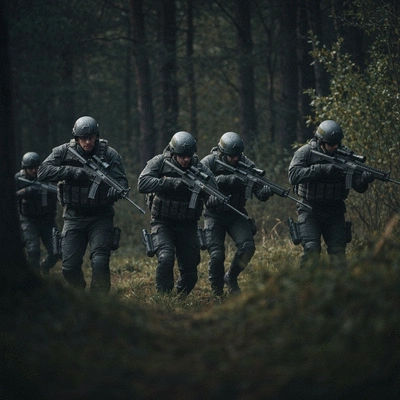
Understanding and building mental resilience is crucial for tactical preparedness. This visual highlights the core aspects of mental resilience and the psychological skills that enhance operational readiness.
Capacity to bounce back from stress, adversity, and uncertainty. It involves self-awareness, emotional regulation, and a positive outlook.
Tools to enhance mental resilience and improve operational readiness, such as visualization and self-talk.
Understanding and recognizing emotions, crucial for effective high-pressure navigation and teamwork.
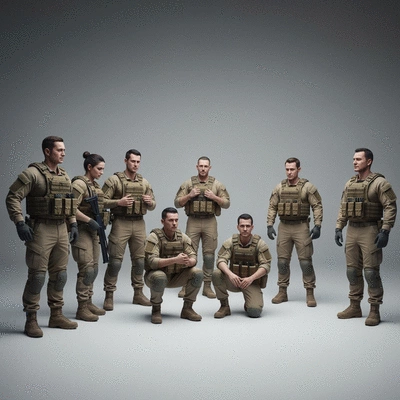
Fostering resilience through strong relationships, open communication, and leadership support.
When we talk about mental resilience, we're referring to the ability to adapt and thrive in challenging situations—especially in tactical environments. This concept is crucial for anyone involved in crisis management, whether you're a seasoned professional or just someone looking to improve your skills. Resilience isn’t just a buzzword; it’s a foundational pillar that can empower you to make better decisions under pressure.
At Survival Mindset, we believe that developing mental resilience is as important as mastering physical skills. A strong mind can enable you to maintain focus, make informed decisions, and ultimately, enhance your overall preparedness. That's why understanding the nuances of mental resilience is vital for effective tactical preparedness.
Mental resilience refers to your capacity to bounce back from stress, adversity, and uncertainty. It involves a blend of self-awareness, emotional regulation, and the ability to maintain a positive outlook despite challenges. For those in tactical roles, this resilience can mean the difference between success and failure in high-stakes situations. Policy initiatives, such as those discussed by the Biden-Harris Administration regarding mental health, underscore the increasing recognition of mental well-being's importance in all facets of life, including high-stress professions.
In tactical scenarios, these factors come into play significantly. By honing your mental resilience, you’re not just preparing for the worst; you’re ensuring that you can rise to any occasion with confidence.
Psychological skills are the tools we utilize to enhance our mental resilience. Skills such as visualization, self-talk, and relaxation techniques can dramatically improve your operational readiness. At Survival Mindset, we encourage integrating these skills into your routine to build a more robust foundation for crisis management. The National Governors Association highlights how community resilience programs often integrate psychological support, demonstrating the broader impact of these skills.
By regularly practicing these psychological skills, you’ll not only enhance your readiness but also cultivate a mindset that thrives in adversity.
Emotional intelligence (EI) plays a crucial role in tactical performance. It’s about understanding your emotions and recognizing those of others. This awareness can help you navigate high-pressure situations more effectively. For example, being able to read a team's emotional state can allow you to adjust your approach accordingly, promoting better teamwork and communication. Research published in PMC highlights the interconnectedness of resilience and emotional intelligence in managing professional demands.
In a tactical environment, where every moment counts, having a high level of emotional intelligence can be an invaluable asset. By fostering emotional intelligence, you can significantly enhance your performance and that of your team during critical situations.
As we delve into the features of effective mental resilience training programs, it becomes clear that these programs should be rooted in best practices and proven techniques. At Survival Mindset, we focus on understanding what makes these programs successful because our mission is to equip you with the right skills for urban readiness.
By identifying these key features, you can seek out programs that will truly benefit your tactical preparedness journey.
Effective training should always be grounded in evidence-based techniques. This means utilizing methods that have been scientifically validated to improve stress management and performance. Techniques such as cognitive-behavioral strategies, biofeedback, and relaxation methods can enhance your ability to cope with stress in real time.
Incorporating these techniques into your training not only boosts resilience but also optimizes your overall performance in high-stress environments.
Goal setting is a critical component of tactical training. It provides a roadmap for what you want to achieve and helps maintain focus amidst the chaos. Coupled with emotional regulation strategies, this approach can lead to significant improvements in performance.
By prioritizing goal setting and emotional regulation, you can ensure that your training stays focused and impactful.
Mindfulness techniques are invaluable in resilience training. They help you stay present and manage stress effectively. Simple practices like focused breathing or meditation can make a huge difference in how you respond to challenges.
By incorporating mindfulness techniques into your training, you’ll cultivate a greater sense of peace and resilience, empowering you to face any situation with composure.
Mental resilience is the capacity to recover quickly from difficulties, stress, and adversity. It involves skills like self-awareness, emotional regulation, and maintaining a positive outlook, crucial for effective decision-making in high-pressure situations.
In tactical environments, mental resilience enables individuals to make sound decisions under pressure, effectively manage stress, and adapt quickly to dynamic situations, which can be critical for success and safety.
Key psychological skills include visualization (mentally rehearsing successful outcomes), self-talk (using positive affirmations), and relaxation techniques (like breathing exercises and mindfulness) to maintain focus and reduce stress.
Emotional intelligence (EI) helps individuals understand and manage their own emotions, as well as recognize those of others. This fosters better self-regulation, empathy, and conflict resolution, leading to improved teamwork and decision-making in critical situations.
Effective programs incorporate evidence-based techniques (like CBT and biofeedback), structured goal setting to maintain focus, and mindfulness practices to enhance awareness and emotional regulation. They also emphasize building a supportive environment.
A supportive environment, characterized by open communication, mutual trust, and strong leadership support, helps individuals cope with stress and challenges. It encourages help-seeking behaviors and fosters team cohesion through activities that enhance psychological flexibility.
How do you cultivate mental resilience in your own life? Share your strategies or experiences with us below:
Creating a supportive environment is essential for fostering mental resilience in tactical settings. This environment not only includes physical spaces but also the relationships and dynamics within teams. When individuals feel supported by leadership and peers, their ability to cope with stress and challenges significantly enhances. In my experience with Survival Mindset, I’ve seen firsthand how strong social connections can help individuals thrive, especially in high-pressure situations.
To build this supportive environment, it’s important to focus on several key aspects:
These elements are crucial for creating a foundation where resilience can flourish. When tactical teams have a strong support system, they are better equipped to handle stress and make sound decisions under pressure.
Leadership plays a pivotal role in shaping the resilience of a team. Leaders who prioritize mental health and resilience-building foster a culture of support and trust. As I emphasize in my training sessions at Survival Mindset, it’s imperative for leaders to not only recognize the signs of stress but also to actively promote a culture of resilience.
When leaders model these behaviors, they set the tone for the entire organization, paving the way for enhanced resilience among all members.
Encouraging help-seeking behaviors is vital in tactical environments where mental health issues may be stigmatized. It’s crucial to normalize the conversation around mental health and resilience. By doing so, team members will feel more comfortable reaching out for support when needed.
When individuals know that seeking help is not a sign of weakness but rather a step towards strengthening their resilience, the entire team benefits.
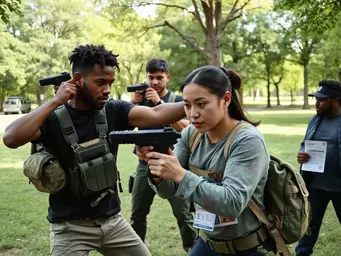
Team-building exercises are an excellent way to enhance psychological flexibility, which is essential for navigating high-stress situations. Engaging in activities that challenge team members both physically and mentally can bolster resilience while improving communication and collaboration.
Incorporating these exercises not only builds stronger teams but also cultivates an adaptable mindset, better preparing them for real-life challenges.
Here is a quick recap of the important points discussed in the article:
Jordan Mercer is a seasoned expert in tactical preparedness and psychological resilience, focused on equipping individuals with the mindset and skills essential for urban survival and crisis management. Through practical insights and mental conditioning techniques, Jordan empowers readers to navigate high-stress situations with calm and confidence, transforming fear into actionable preparedness.